
 EN
EN
 AR
AR
 BG
BG HR
HR
 DA
DA
 NL
NL
 FR
FR
 DE
DE EL
EL
 HI
HI
 IT
IT JA
JA
 KO
KO
 PT
PT RU
RU
 ES
ES
 SV
SV
 TL
TL
 ID
ID
 SR
SR
 SK
SK
 UK
UK VI
VI
 ET
ET
 HU
HU
 TH
TH
 TR
TR
 MS
MS
 GA
GA
 BE
BE
 HY
HY
 KA
KA
 LO
LO
 LA
LA
 MN
MN
 NE
NE
 SO
SO
 MY
MY
 KK
KK
 UZ
UZ
Արդյունաբերական FDM 3D տպիչների միջոցով ստեղծված մեբել. լրիվ չափսերով՝ առաջին օրվանից
Դիզայները երեքշաբթի օրը ավարտում է աթոռի գծագրումը: Հին մեթոդը՝ կառուցել փայտե մաստեր, ստանալ ձուլատակ, սպասել վեց շաբաթ և ընդունել առաջին մեկական արտադրանքի համար հիսուն հատի նվազագույն քանակ: Մեկ կորի փոփոխությունը ձուլատակը դարձնում է անօգուտ:
Նոր մեթոդը սկսվում է նույն օրը: Նույն ֆայլը մատակարարվում է տպիչին, որը տպում է իրական աթոռը՝ 1:1 մասշտաբով, լրիվ չափսերով, մինչև դիզայնը դեռ թարմ է: Լրիվ չափսերով 3D տպագրությամբ ստեղծված մեբելը փոխում է հերթականությունը՝ նախ տպել իրական արտադրանքը, ապա վաճառել և մասշտաբավորել: Չկան ձուլատակներ: Չկան նվազագույն քանակներ:
Այս հոդվածը ներառում է երկու մեբելի արտադրանքային աշխատանք, որոնք արդեն իրականացվել են այս եղանակով, այնուհետև՝ դրանց հիմքում ընկած սարքավորումների պահանջները:
Ինչու՞ է մեբելը պետք է արտադրվի մեծ ձևաչափի FDM տպիչներով
Մեբելը վերջին կատեգորիան է, որտեղ լիամետրաժ պրոտոտիպավորումը մնացել է հազվադեպ, քանի որ սարքավորումների ծախսերը շատ բարձր էին: Տպիչը վերացնում է սարքավորումների անհրաժեշտությունը, իսկ մնացած աշխատանքային հոսքը հետևում է դրան:
Ձուլատակային ձևավորման հարկ
Յուրաքանչյուր վերանայում նախկինում պահանջում էր նոր ձուլատակային ձև: Մեբելի պրոտոտիպավորման 3D տպագրությունը վերացնում է այդ հարկը. դիզայնի փոփոխությունը դառնում է ֆայլի փոփոխություն, որի արժեքը հաշվարկվում է տպագրման ժամերով, այլ ոչ թե սարքավորումների ստեղծման շաբաթներով: Այժմ ակտիվ գույքը սկիզբնական գծագիրն է, ոչ թե սարքավորումները:
Նվազագույն պատվերի թակարդ
Սարքավորումների բացակայության դեպքում չկա նվազագույն պատվեր: Տպեք տասը միավոր, դրեք դրանք ցուցասրահում կամ խանութում, դիտեք, թե որն է վաճառվում, և մասշտաբավորեք միայն հաղթողին: Շուկան քվեարկում է գործարանի պարտավորվելուց առաջ:
Մեծ, մեկ նյութից և կրկնվող
Սոֆայի շրջանակը կազմված է մեկ նյութից և մեկ երկրաչափական ձևից, որը կրկնվում է ութ անգամ հավաքածուում: Ռեստորանի պատվերը նույն պրոֆիլի 38 սալիկ է: Այդ պրոֆիլը՝ մեծ մասեր, մեկ նյութ, կրկնվող արտադրություն՝ այնտեղ է, որտեղ մեբելի 3D տպագրությունը ամբողջությամբ իր արժեքը ցույց է տալիս:
Երկու իրական աշխատանք, որոնք հաստատում են աշխատանքային հոսքը
Անցյալ տարվա երկու աշխատանք ցույց են տալիս, թե ինչ է կարող անել մեծ ֆորմատի 3D պրինտեր ինչ է անում, երբ դադարում է լինել ցուցադրություն:
Կոչելլա 2026. 30 նստարան, երկու նահանգ, երկու շաբաթ
Ֆեստիվալի համար անհրաժեշտ էր 30 յոթ ոտնաչափ երկարությամբ նստարան՝ ճիշտ այնպիսի 3D-տպված նստարաններ, ինչպես արտաքին միջոցառումները մշտապես պատվիրում են, որոնք տպվել են վերամշակված PETG-ից՝ ապակե մանրաթելերով ամրացված, արտադրվել են երկու նահանգներում և առաքվել են երկու շաբաթվա ընթացքում: Մեբելի արտադրող Decibel-ը և իտալական LFAM մասնագետ Caracol-ը արտադրությունը բաժանել են իրենց արտադրամասերի միջև: Դասը բաշխված արտադրությունն է. երբ ժամկետը ֆիքսված է, միջոցառման վայրի մոտ տպելը ավելի արդյունավետ է, քան վերջնական ապրանքների տեղափոխումը: Նստարանները տեղադրվել են արտաքին տարածքում ֆեստիվալի ամբողջ տևողության ընթացքում և կրկնապատկվել են որպես վերամշակված PETG-GF-ի աշխատավայրի փորձարկում միջոցառման մասշտաբով:
LAMÁQUINA. 38 սըրֆինգի սալիկ, զրո ձուլատակ
Օդաչի ռեստորանի համար Քուվեյթում LAMÁQUINA ստուդիան տպել է 38 ալիքաձև պատերի պանել, որոնցից յուրաքանչյուրը երկու մետրից ավելի բարձր է՝ առանց ձուլատակների եռաչափ տպագրված մեբել ամենաբառացի իմաստով: Նյութը վերամշակված PETG էր՝ 30 % ապակե մանրաթելով: Կորացված, վայրին հատուկ ներքին տարածքը, որը սովորաբար պահանջում է տասներկու մեկական ձուլատակ, փոխարենը դարձել է ֆայլերի հավաքածու և տպագրման գրաֆիկ: Պանելները չափվել են վայրի իրական պատերի համար, ոչ թե կատալոգի համար՝ չափսերի ազատությունը այս աշխատանքային հոսքի հիմնական նպատակն է:
Առաջին օրվա լիարժեք չափս՝ այն, ինչ մեքենան պետք է ապահովի
Լիարժեք չափսի մեբելի տպագրումը բարդ է, և պահանջները բաժանվում են չորս սահմանագծերի, որոնց արդյունաբերական FDM եռաչափ տպիչը պետք է համապատասխանի, նախքան ձեր գծագրերը տեղադրվեն կառուցման սայլակի վրա:
Տեղավորողականություն
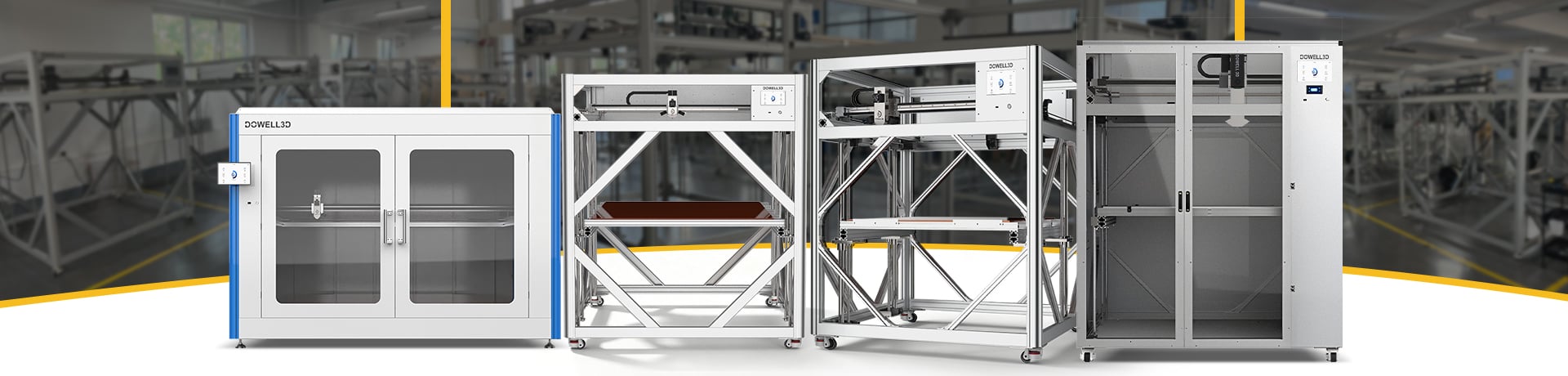
Ցանկացած մեծ ձևաչափի 3D տպիչի համեմատության ժամանակ մեբելի համար առաջին սպեցիֆիկացիան տպման ծավալն է: DOWELL DL շարքը DL1824-16 մոդելում կարող է տպել մինչև 1,800 × 2,400 × 1,600 մմ չափսերով, այսինքն՝ ամբողջական աթոռ, սոֆայի շրջանակ կամ երկու մետրից ավելի երկարությամբ սեղանի մակերես՝ մեկ տպման գործողությամբ, առանց բաժանման և առանց միացման կապանների: Բարի ստուլը տպվում է ուղղաձիգ դիրքում՝ ամբողջ բարձրությամբ, իսկ 1,800 մմ երկարությամբ սեղանի մակերեսը տպվում է հարթ դիրքում՝ մեկ անցումով, ինչը փոքր ծավալներով տպիչների դեպքում ստիպում է բաժանել մասերը:
Աշխատանքի ծավալ
Ամբողջական չափսի մասերը ծանր մասեր են: DOWELL DMpro շարքը կարող է տպել մինչև 1,000 գ/ժ արագությամբ՝ 42 ստանդարտ տպման չափսերի համար, որը թույլ է տալիս մի քանի կիլոգրամ քաշով նստարանի կորպուսը տպել մեկ աշխատանքային շիֆտի ընթացքում: 1,000 գ/ժ արագությամբ 3 կգ քաշով նստարանը տպելու համար անհրաժեշտ է երեք ժամ, իսկ գիշերային տպումը նույն սարքը վերածում է օրական մեկ շարքի: 42 չափսերը մոտավորապես նույնքան կարևոր են, որքան տպման արագությունը. կառուցման խցիկը պետք է համապատասխանի մասի չափսերին, այլ ոչ թե կլանի այն:
Պինդություն
Երկու մետր երկարությամբ տպումը երկու մետր համապատասխանեցման խնդիր է: DOWELL DL շարքը պարունակում է 80 մմ հզոր շրջանակ և արգելակման շարժիչներ, որպեսզի գանտրին պահի դիրքը երկարատև, անվերահսկելի աշխատանքների ընթացքում՝ այն լռությունը, որը անհրաժեշտ է եզրերով միացող մասերի համար:
Նյութի տիրույթ
Մեբելի 3D տպագրությունը բաժանվում է ներքին և արտաքին օգտագործման համար: DMpro-ի և DL-ի վրա 2,85 մմ ֆիլամենտը ընդգրկում է PETG և ASA տերասային մեբելի համար, PP՝ խոնավ տարածքների համար, ինչպես նաև PA կամ ածխածնային մետաղալարով ամրացված տեսակներ՝ այն դեպքերում, երբ բեռնվածության ճանապարհները անցնում են մասի միջով: Դուք ընտրում եք արտաքին պայմաններին դիմացող հատկությունը առաջին շերտից առաջ:
Ֆայլից մինչև հատակ. Մեբելի տպագրության աշխատանքի կատարումը:
Մեբելի լիաստիպ 3D տպագրության ուսուցման հիմքը չորս քայլ է, որոնք կրկնվում են յուրաքանչյուր աշխատանքի ժամանակ:
Նախագծել լիաստիպ չափսերով
Մեբելի դիզայնի 3D տպագրությունը կախված է երեք ցուցիչներից՝ պատի հաստությունից, ներքին ձևավորման գծերից և տպագրման ուղղությունից: Ձուլման համար նախագծված աթոռը ունի լիարժեք հատվածներ՝ ներարկման ճնշման համար չափված; նույն աթոռը, որը նախագծված է էքստրուզիայի համար, ունի ձևավորված պատեր և տպագրման ուղղություն, որը բեռնվածությունը հաղորդում է շերտերի երկայնքով, այլ ոչ թե դրանց միջև: Բեռնվածության ճանապարհները հարկավոր է հարմարեցնել տպագրման ուղղությանը՝ ուղղաձիգ տպագրված ոտքը շատ ավելի լավ է դիմանում սեղմման, քան հարթ դիրքում տպագրված ոտքը:
Վերջնականացում
Շերտերի գծերը դիզայնի ընտրություն են, ոչ թե թերություն: Որոշ մակերեսներ մատակարարվում են առանց լրացուցիչ մշակման, մյուսները՝ մշակված ավազով և ներկված: Հիմնական խնդիրն այն է, որ գնային առաջարկից առաջ որոշվի, թե որ մակերեսները են մշակվելու, որպեսզի լրացուցիչ մշակումը ներառվի գնի մեջ, այլ ոչ թե հետագայում ավելացվի:
Բեռնափորձարկում առաջին վաճառքից առաջ
Արտադրական 3D տպագրությամբ ստեղծված անհատականացված մեբելի համար առաջին վաճառքից առաջ անհրաժեշտ է հաստատում. աթոռները պետք է կրեն մարդկանց, իսկ սա չի կարելի իմանալ սլայսերի նախադիտման միջոցով: Տպագրեք երեք օրինակ, կատարեք բեռնափորձարկում, այնուհետև թողարկեք սերիան: Տպագրված փորձարկման նմուշը ավելի էժան է, քան վերադարձման գործընթացը:
Երբ 3D տպագրությունը ավելի արդյունավետ է, քան ձուլումը
Սահմանագիծը բավարար ճշմարտասեր է: Համեմատեք 3D տպագրությամբ արտադրվող մեբելի մեկ միավորի արժեքը ձուլատակառի ծախսերի հետ՝ որոնք բաշխված են արտադրվող քանակի վրա. այն կետը, որտեղ գծերը հատվում են, ցույց է տալիս այդ սահմանագիծը: Փոքր արտադրանքի ծավալ, հաճախակի դիզայնի փոփոխություններ կամ արտակարգ առաքում — տպել: Մեկ տարում հինգ հարյուր միավոր արտադրելու համար վերջնականացված դիզայն — թույլ տվեք ձուլատակառին իր արժեքը արդարացնել: Երկու մեթոդներն էլ իրենց տեղն ունեն, սակայն 3D տպիչը սահմանագիծը տեղափոխել է:
Հիմնական առանձնահատկություններ
3D տպագրությամբ արտադրվող մեբելը արդեն անցել է սկզբնական նմուշավորման փուլը: Մեկ փառատոնը պատվիրել է 30 նստարան, իսկ մեկ ռեստորանը՝ 38 վահանակ՝ բոլորը առանց ձուլատակառների և լրիվ չափսերով: Այս երկու պատվերների ընդհանուր օրինակը նույնն է՝ լրիվ չափսեր, առանց ձուլատակառների, առաքումը հաշվվում է օրերով: Այս աշխատանքային գործընթացի համար անհրաժեշտ է մեքենա, որն ունի անհրաժեշտ չափսերը, հոսքի արագությունը և կառուցվածքը՝ մեկ մասով ավարտելու համար:
Խնդրում ենք ներկայացնել ձեր պահանջները , և DOWELL-ի ինժեներները ձեզ համար առաջարկելու են համապատասխան մեքենան ու կոնֆիգուրացիան՝ հիմնված ձեր տպագրության պահանջների վրա: