
 EN
EN
 AR
AR
 BG
BG
 HR
HR
 DA
DA
 NL
NL
 FR
FR
 DE
DE
 EL
EL
 HI
HI
 IT
IT
 JA
JA
 KO
KO
 PT
PT
 RU
RU
 ES
ES
 SV
SV
 TL
TL
 ID
ID
 SR
SR
 SK
SK
 UK
UK
 VI
VI
 ET
ET
 HU
HU
 TH
TH
 TR
TR
 MS
MS
 GA
GA
 BE
BE
 HY
HY
 KA
KA
 LO
LO
 LA
LA
 MN
MN
 NE
NE
 SO
SO
 MY
MY
 KK
KK
 UZ
UZ
Does 3D Printing Cause a Smell?
If you are new to 3D printing, one common question often comes up: “Does 3D printing cause a smell?”
The short answer is yes, sometimes.
When a 3d printer heats and melts filament, a small amount of odor may be released depending on the material, printing temperature, machine setup, and ventilation conditions. Some prints produce almost no noticeable smell, while others may create a stronger plastic-like or chemical odor.
For home users, hobbyists, and professional manufacturers, understanding where the smell comes from and how to reduce it can create a more comfortable printing environment.
This becomes even more important for businesses using a large format 3d printer because larger models usually require longer printing times and more material consumption. Proper machine design, ventilation, and printing practices can make a significant difference.
In this article, we will explain why 3D printing smells, which factors affect odor, whether the smell is a concern, and how to create a better printing environment.
Why Does a 3D Printer Smell?
The smell from a 3D printer mainly comes from the heating process.
During FDM 3D printing, filament passes through a heated nozzle where it melts and is deposited layer by layer. During this process, some materials can release volatile organic compounds (VOCs) and ultrafine particles, which may create noticeable odors.
Several factors influence the intensity of the smell:
1. Type of Filament
Different filament materials produce different levels of odor.
Some materials have a mild smell, while others produce stronger odors during printing.
For example:
PLA usually produces a lighter and less noticeable odor
PETG may have a mild plastic smell
ABS and some engineering materials can produce stronger odors
The material choice plays an important role in both print performance and the overall printing experience.
2. Printing Temperature
Higher printing temperatures can increase the amount of odor produced.
When filament is heated beyond the recommended range, it may degrade and create unnecessary fumes.
Using the correct temperature settings helps maintain:
Better print quality
More consistent extrusion
Reduced odor
A well-calibrated high precision 3d printer can help maintain stable temperature control during long printing sessions.
3. Ventilation and Printing Environment
The same printer can produce different odor levels depending on where it is used.
A large open workspace with good airflow will usually have fewer noticeable smells compared with a small closed room.
For professional environments using multiple machines, proper airflow management becomes even more important. Research from NIOSH highlights ventilation as an important method for reducing exposure to emissions from 3D printing processes.
What Does 3D Printing Smell Like?
The smell depends mostly on the filament type and printing conditions.
Common descriptions include:
Mild Plastic Smell
Some materials create a light plastic-like smell that disappears after printing finishes.
Sweet or Slightly Natural Smell
Certain commonly used materials may produce a mild sweet odor during printing.
Strong Chemical Smell
Some higher-temperature materials may create stronger odors that are more noticeable, especially in poorly ventilated areas.
If you notice a sudden strong burning smell, it is worth checking your printer settings, nozzle condition, and material feeding system.
Is the Smell From a 3D Printer Dangerous?
Many users ask: “Are 3D printer fumes harmful?”
The answer depends on several factors, including:
Material type
Printing temperature
Printing duration
Room ventilation
Number of printers operating
3D printing emissions can include VOCs and ultrafine particles, and emission levels vary depending on the printer and material combination.
This does not mean every print creates a dangerous environment. However, responsible printing practices are important, especially for:
Long printing jobs
Industrial production
Multiple printer setups
Enclosed workspaces
Good airflow and proper machine placement are simple steps that improve the overall printing environment.
How to Reduce 3D Printer Smell
If you notice unwanted odors during printing, several practical solutions can help.
1. Improve Ventilation
The easiest solution is increasing fresh air circulation.
Helpful methods include:
Opening windows when possible
Using exhaust fans
Keeping the printer away from sleeping or living areas
Creating a dedicated printing space
Good airflow helps prevent odors from building up over time.
2. Choose Suitable Printing Materials
Material selection has a direct impact on smell.
For projects where odor control is important, users often choose materials with lower odor characteristics.
The best choice depends on the application, required strength, temperature resistance, and final use of the part.
3. Keep Your Printer Maintained
A poorly maintained printer may create unnecessary odor problems.
Regular maintenance includes:
Cleaning the nozzle
Checking temperature accuracy
Inspecting the extrusion system
Keeping the print area clean
A properly maintained 3d printer usually provides more stable performance and fewer unexpected printing issues.
4. Use Enclosed Printing Solutions When Needed
For professional applications, enclosed printing environments can help control airflow and improve consistency.
This is especially useful when printing large parts or running long production jobs.
A professional industrial 3d printer designed for continuous operation can provide better stability for demanding manufacturing environments.
Why Large Format 3D Printing Requires Better Odor Management
Large-scale 3D printing is different from small desktop printing.
A large model may require:
Longer printing time
Higher material usage
Larger heated areas
Continuous machine operation
Because of this, production environments need more attention to airflow and machine placement.
A reliable large format 3d printer should provide not only a large build volume but also stable operation during extended printing processes.
For manufacturers creating prototypes, industrial components, or oversized models, printer reliability directly affects production efficiency.
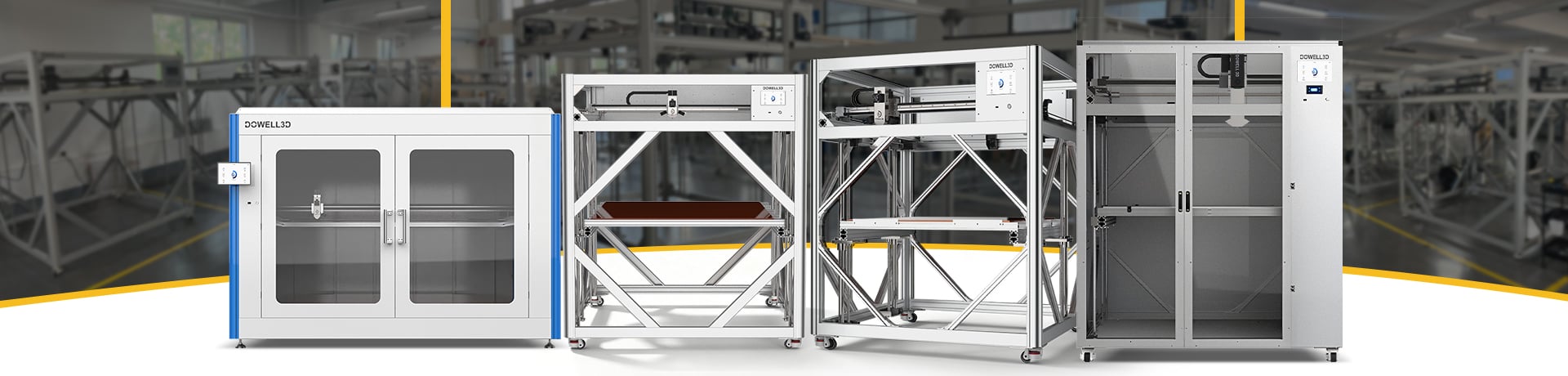
DOWELL3D focuses on large-format 3D printing solutions designed for users who need consistent performance for large-scale projects. A stable machine structure and precise control system help create a more predictable printing process.
Conclusion: Is 3D Printing Smell Normal?
Yes, some smell during 3D printing is normal.
The odor usually comes from the heating process and depends on the filament, temperature, printer settings, and environment.
The best ways to reduce smell are:
Use suitable materials
Maintain correct printing settings
Improve ventilation
Choose reliable printing equipment
Whether you are using a desktop machine or a professional industrial 3d printer, understanding these factors helps create a better printing experience.
For companies producing large prototypes and functional parts, a capable large format 3d printer combined with proper workspace management can provide efficient and reliable 3D manufacturing.