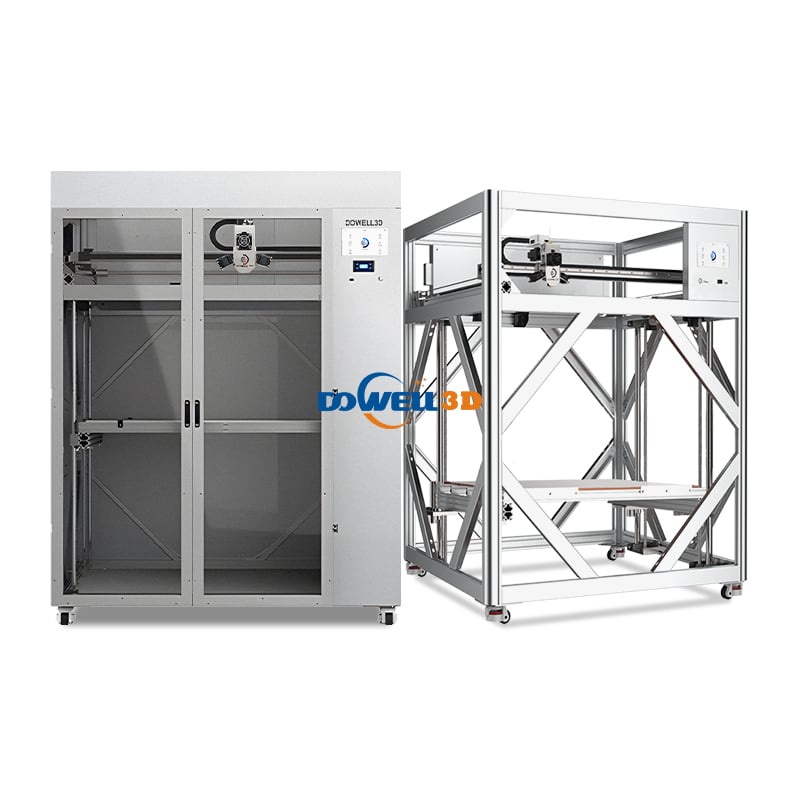
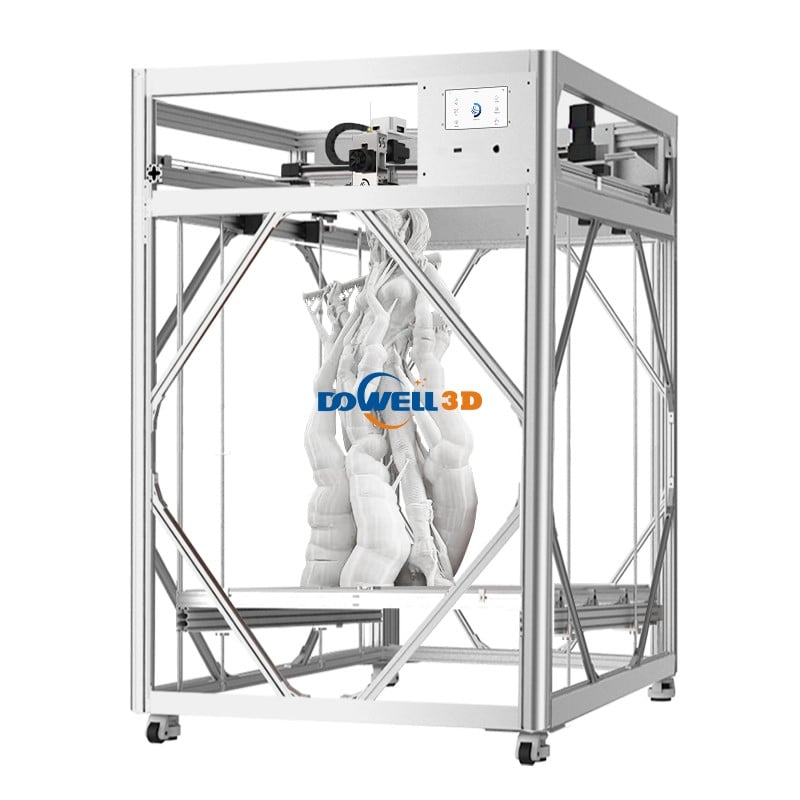
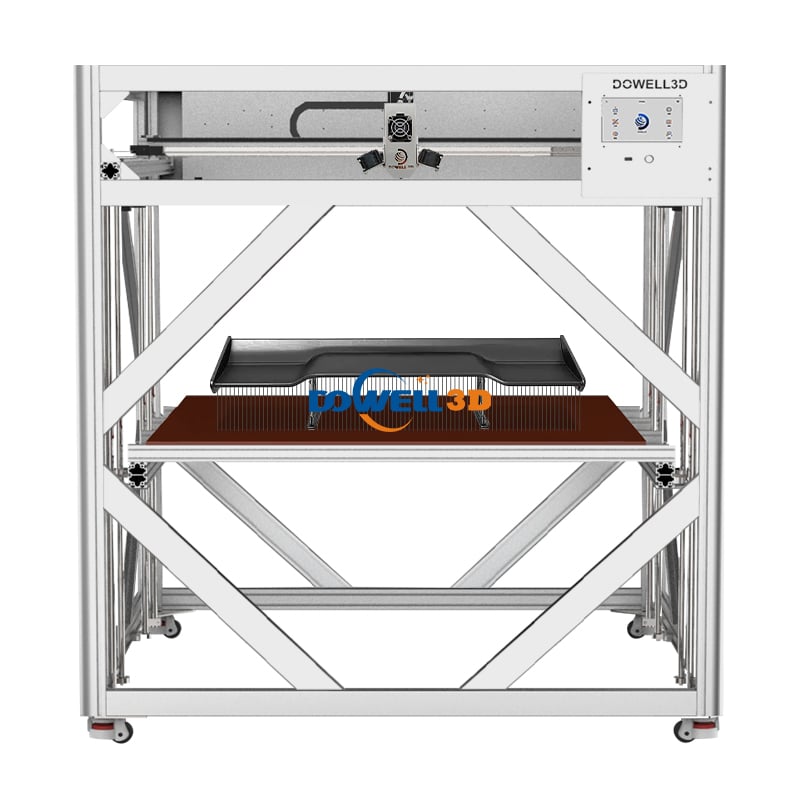
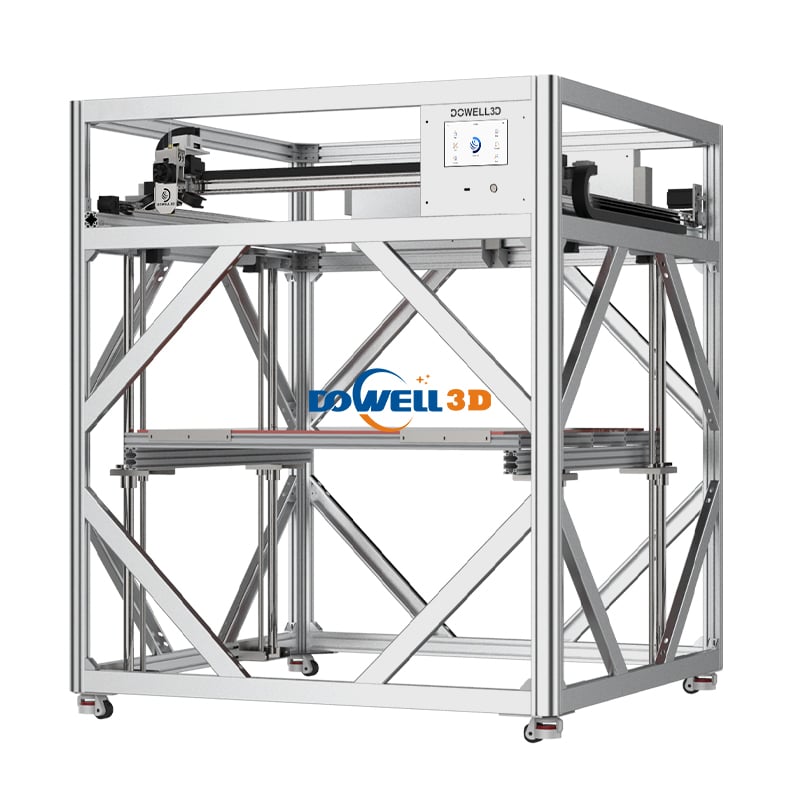
Innovation, Utilisation, Qualité et Sécurité
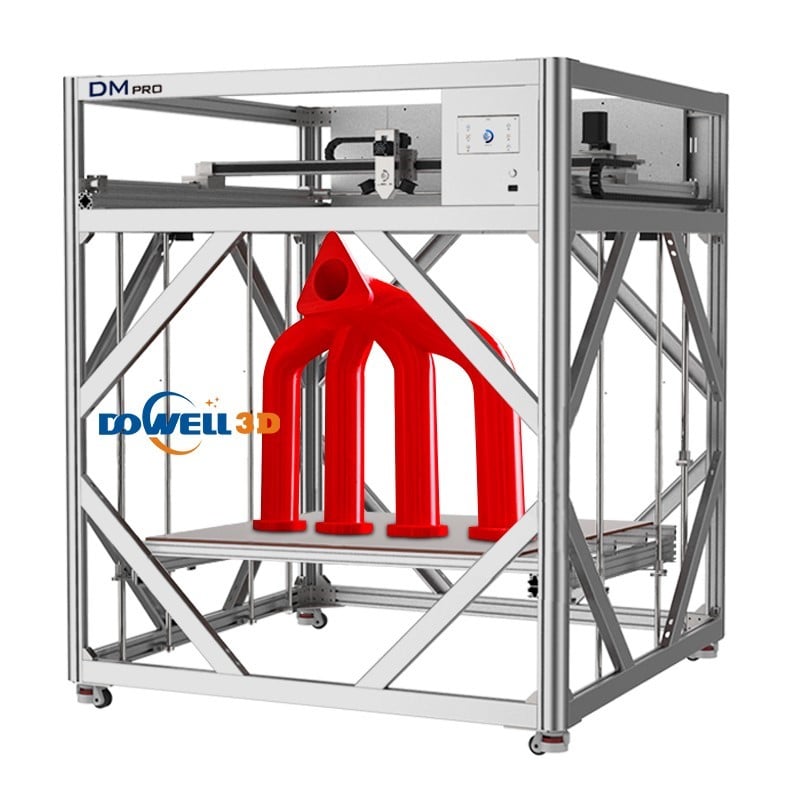
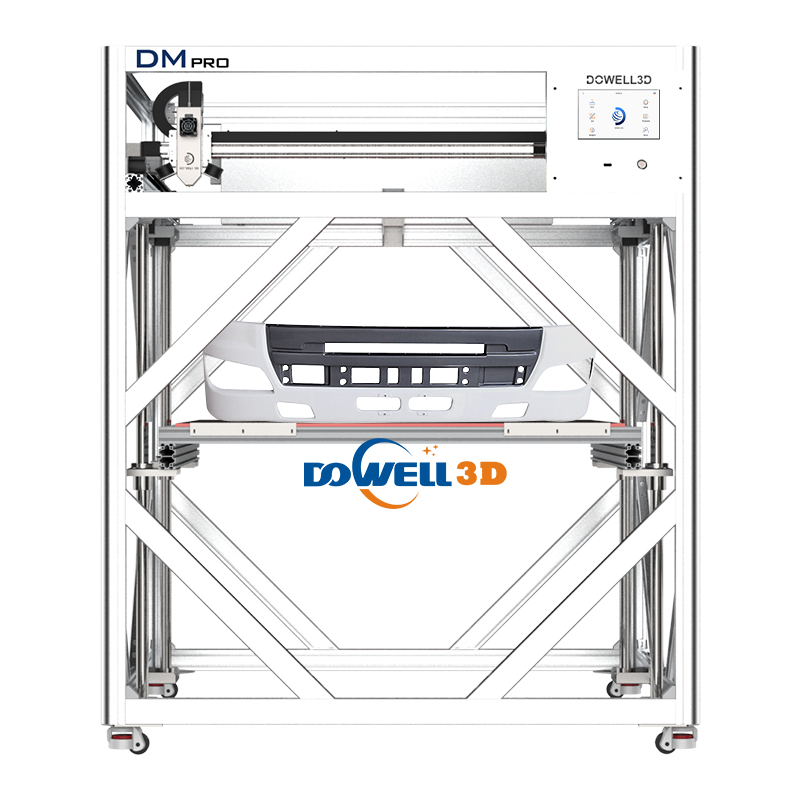
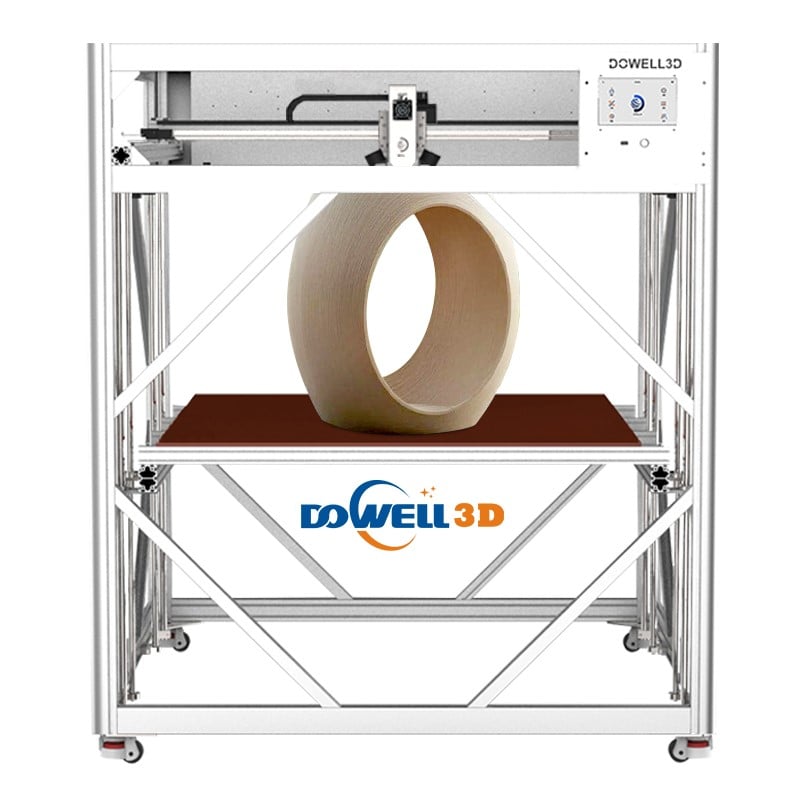
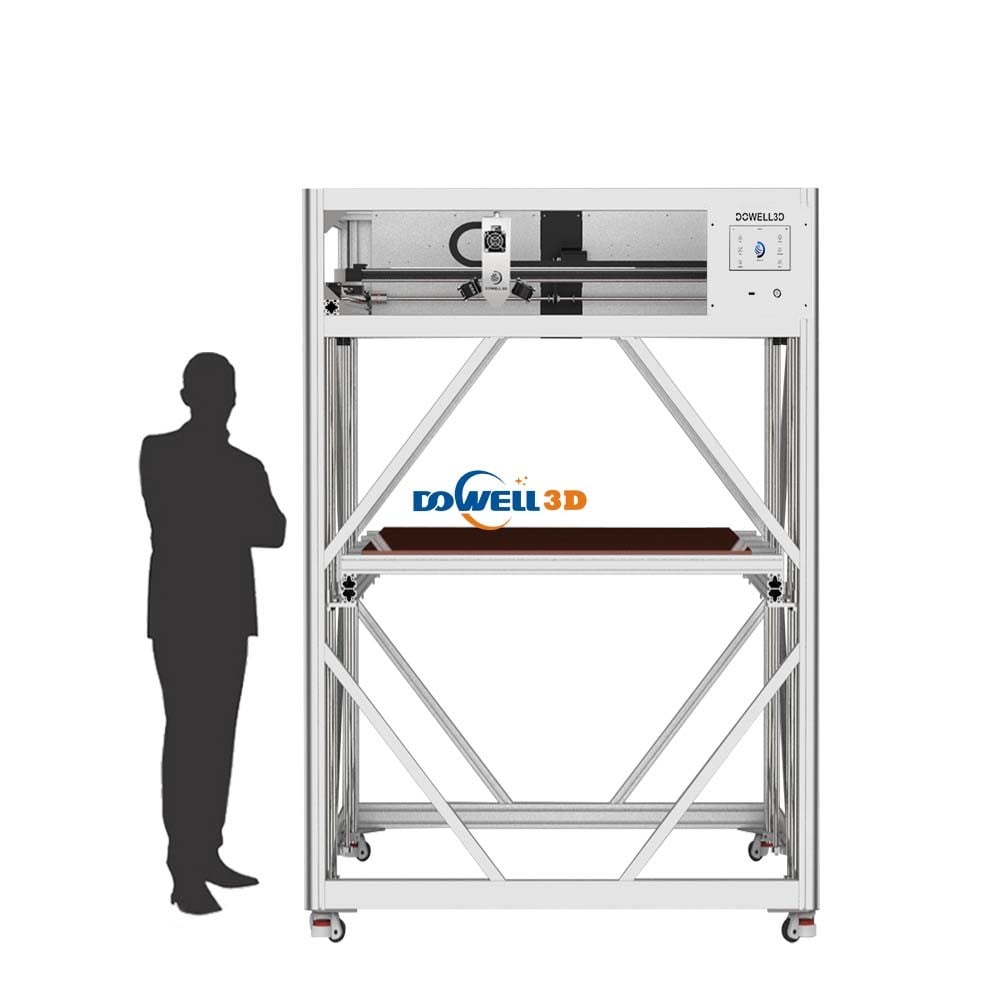
Êtes-vous curieux concernant l'imprimante 3D en nylon ? Cette machine innovante vous permet de créer des objets en utilisant du nylon, un matériau solide et durable, ainsi que le produit de Dowell 3D tel que 1 kg pla filament . Nous explorerons les avantages de l'utilisation d'une imprimante 3D en nylon, comment s'en servir, sa sécurité, sa qualité et ses nombreuses applications.
Les imprimantes 3D en nylon présentent plusieurs avantages par rapport à d'autres types d'imprimantes 3D, identiques à filament bois imprimante 3D par Dowell 3D. Premièrement, le nylon est un matériau solide et flexible qui peut produire des pièces complexes et fonctionnelles. Deuxièmement, le nylon est assez polyvalent pour créer à la fois des prototypes et des produits finaux. Troisièmement, l'imprimante 3D en nylon est rapide et efficace, vous permettant de produire plusieurs pièces en quelques heures.
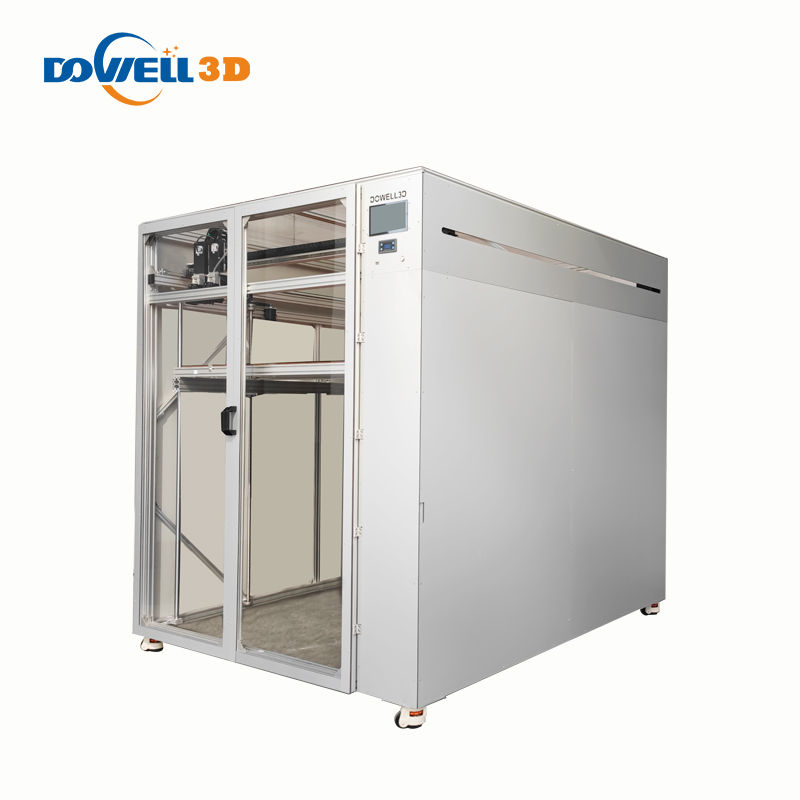
L'impression 3D en nylon est une technologie innovante qui a révolutionné la manière dont nous produisons des objets, ainsi que le produit de Dowell 3D imprimante 3D multicouleur . Les méthodes de fabrication traditionnelles comme la moulage par injection, l'usinage et le fonderie peuvent prendre des semaines, voire des mois, pour produire une seule pièce. Cependant, avec l'impression 3D en nylon, vous pouvez concevoir, imprimer et tester vos pièces en quelques heures ou jours.
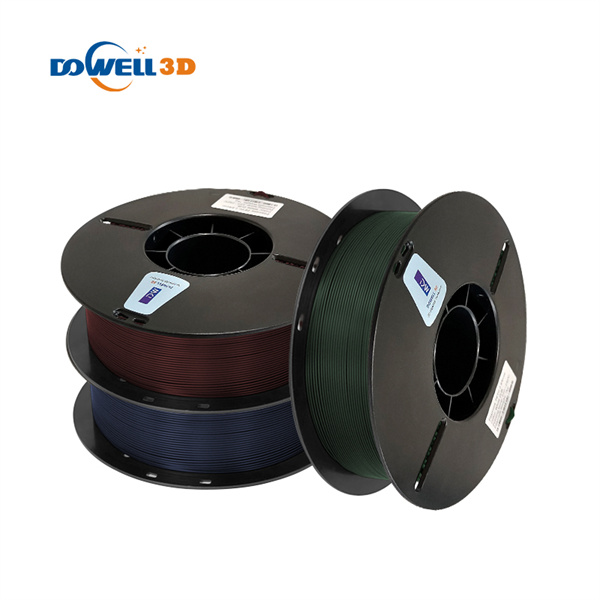
La sécurité est un élément crucial à prendre en compte lors de l'utilisation d'une imprimante 3D en nylon, de même que filament 3D de Dowell 3D. Comme d'autres imprimantes 3D, la machine émet des fumées qui peuvent être nocives si inhalées. Il est essentiel d'utiliser l'imprimante dans un espace bien ventilé et de porter des équipements de protection tels qu'un masque et des gants. De plus, vous ne devez jamais toucher la partie chaude de l'imprimante pendant son fonctionnement et la garder hors de portée des enfants.
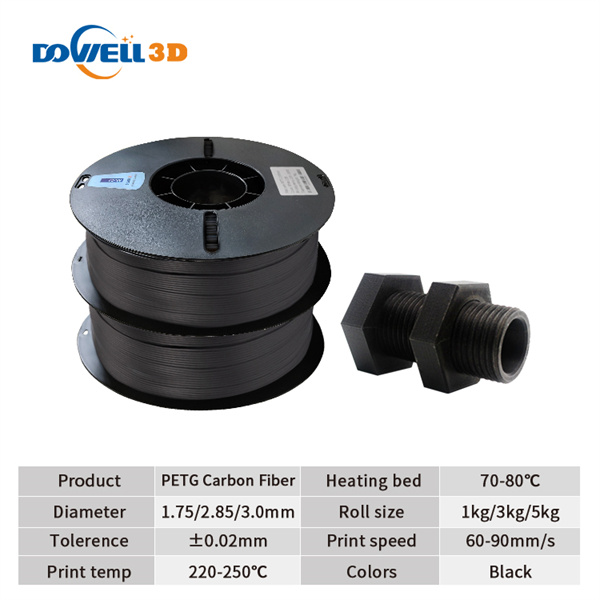
L'utilisation d'une imprimante 3D en nylon est relativement simple, similaire au produit Dowell 3D comme filament 2.85 . Tout d'abord, vous devez concevoir votre pièce à l'aide d'un logiciel de conception assistée par ordinateur (CAO). Une fois votre conception terminée, téléchargez votre fichier sur le logiciel de l'imprimante 3D. Ensuite, préparez votre imprimante en nivelant le plateau et en chargeant le filament en nylon. Enfin, appuyez sur imprimer et attendez que votre pièce soit entièrement imprimée. Une fois terminé, retirez la pièce du plateau de construction de l'imprimante et nettoyez les matériaux de support.
L'activité principale des entreprises concerne les imprimantes FDM/FGF, ainsi que les matériaux 3D. Nos produits les plus populaires comprennent des imprimantes à filament plastique FDM, ainsi que des imprimantes 3D en nylon. Les matériaux 3D incluent le PLA, le PETG, l'ABS, le TPU, la fibre de verre, la fibre de carbone, le PP et de nombreux autres matériaux composites.
Les imprimantes 3D en nylon Dowell et ses centres de fabrication regroupent six séries de produits, plus de 100 modèles différents, ainsi que 300 types de pièces détachées. Cela permet à Dowell de répondre aux exigences de ses clients. Dowell s'est vu décerner de nombreux brevets et certifications internationaux.
L'entreprise a obtenu les certifications CE, FCC, ainsi que la certification pour les imprimantes 3D en nylon. Elle détient plus de 40 brevets, protégés par des droits de propriété intellectuelle indépendants, et a été reconnue « Entreprise de haute technologie de Luoyang ». Chaque produit est rigoureusement testé avant sa sortie d'usine, et un rapport est établi.
Les principaux clients de Dowell sont des instituts de recherche, des universités ainsi que des entreprises liées à la technologie. Plus de 20 000 clients sont desservis à travers le monde, et ils utilisent l’imprimante 3D en nylon. Ils proposent des services logistiques sécurisés et fiables afin de garantir que chaque produit parvienne à ses clients en parfait état et en totalité.
Les imprimantes 3D en nylon produisent des pièces de haute qualité et précision, et également filament 3d transparent par Dowell 3D. Les commandes précises de la machine garantissent que chaque pièce est fabriquée selon des spécifications exactes. De plus, la force et la flexibilité du nylon en font un excellent matériau pour les objets qui doivent résister au stress, à la pression et aux températures extrêmes. Les pièces d'imprimante 3D en nylon sont également résistantes à l'usure et peuvent durer longtemps, ce qui les rend idéales pour la prototypage et les produits finaux.
L'imprimante 3D en nylon a de nombreuses applications dans divers secteurs industriels, ainsi que chez Dowell 3D imprimante 3D pour le bois . Dans l'industrie aérospatiale, les pièces en nylon peuvent être utilisées dans les avions, les missiles et les satellites. Dans l'automobile, les pièces en nylon peuvent être utilisées pour les composants moteur, les systèmes de refroidissement et les intérieurs. Dans le secteur médical, les pièces en nylon peuvent être utilisées pour les prothèses, les instruments chirurgicaux et les dispositifs médicaux. En outre, l'industrie de la mode peut utiliser des imprimantes 3D au nylon pour créer des bijoux, des accessoires et des modèles de vêtements.
Copyright © Luoyang Dowell Electronics Technology Co, Ltd. All Rights Reserved
Politique de confidentialité Blog EN
EN
 AR
AR
 BG
BG HR
HR
 DA
DA
 NL
NL
 FR
FR
 DE
DE EL
EL
 HI
HI
 IT
IT JA
JA
 KO
KO
 PT
PT RU
RU
 ES
ES
 SV
SV
 TL
TL
 ID
ID
 SR
SR
 SK
SK
 UK
UK VI
VI
 ET
ET
 HU
HU
 TH
TH
 TR
TR
 MS
MS
 GA
GA
 BE
BE
 HY
HY
 KA
KA
 LO
LO
 LA
LA
 MN
MN
 NE
NE
 SO
SO
 MY
MY
 KK
KK
 UZ
UZ